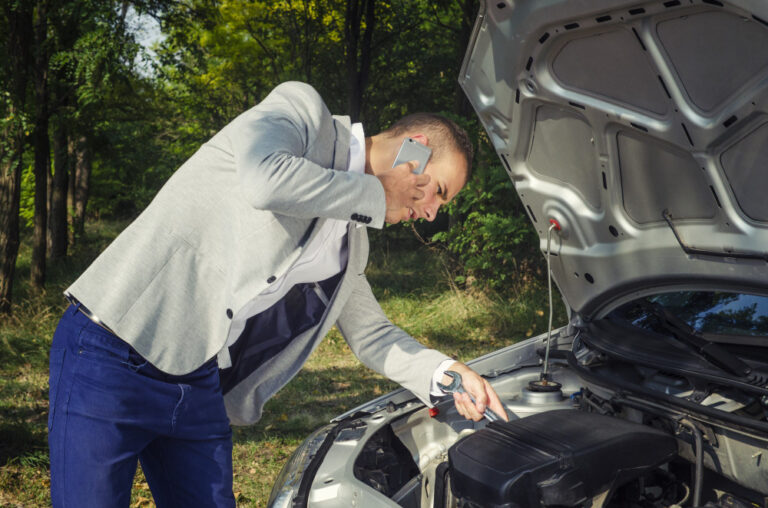
Hey, I’m Steve. If I had a dollar for every overheating car I’ve seen over the years, I’d probably be retired by now. Overheating is one of those problems that feels scary—and sometimes it is—but a lot of the causes are surprisingly simple.
The good news? Many overheating issues can be handled at home if you know what to look for. This guide will walk you through a car overheating fix DIY approach, using the same logic I use in the shop—just explained in plain English.
I’ll also be honest about when not to DIY it, because sometimes pushing your luck can turn a small issue into a blown engine.
Your engine creates a ton of heat. The cooling system’s job is to move that heat away and release it safely. When any part of that system fails, heat builds fast.
In Peoria, I once had a driver come in convinced their engine was “just old.” Turns out they were two quarts low on coolant due to a tiny hose leak. Ten-dollar hose. Big scare.
This part matters more than anything else.
I know—it’s stressful watching that temperature gauge climb. But panic leads to bad decisions.
Let it cool completely. Never open a radiator cap on a hot engine. I’ve seen burns that still make me cringe.
In East Peoria, a customer ignored the gauge and drove “just five more minutes.” That turned a $150 fix into a $3,500 head gasket job.
Let’s get into the hands-on part.
This is the most common cause I see.
Common leak points:
In Pekin, a pickup came in overheating only on longer drives. The culprit? A slow leak that only showed up under pressure.

Your radiator fan is critical at low speeds and in traffic.
This is a classic summer issue in Peoria traffic. I’ve replaced plenty of fan motors that failed without warning.
A thermostat controls when coolant flows through the engine.
Thermostats are cheap but critical. When they fail, they usually fail closed—which is bad news.
Airflow matters more than people realize.
You can often fix this with:
I’ve seen cars in East Peoria overheat simply because the radiator was packed with cottonwood fluff.
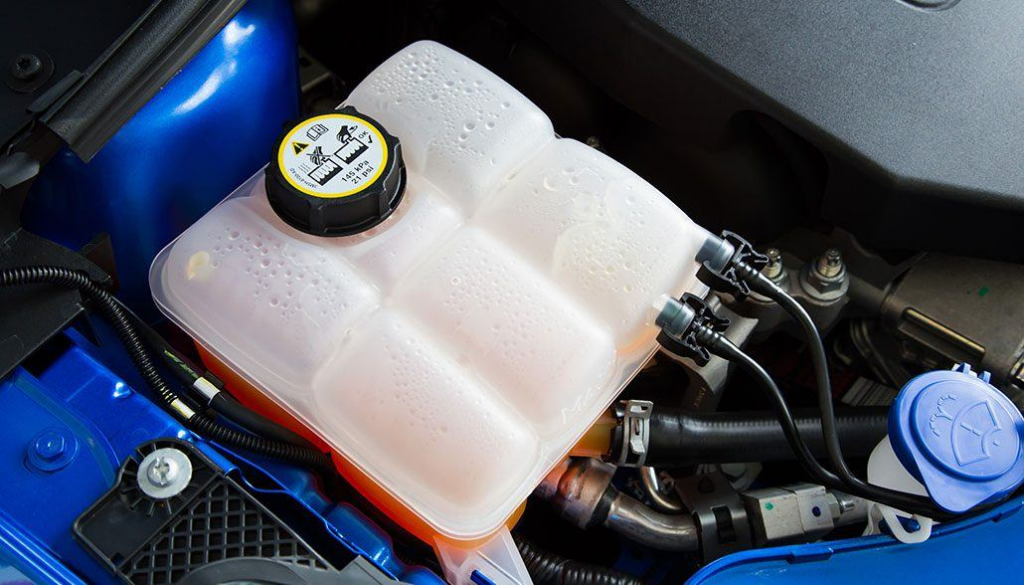
Here’s what you can safely handle at home.
Air pockets can cause overheating even when coolant is full.
If you’re handy:
If that sounds intimidating—no shame in calling it here.
Some overheating symptoms mean DIY is no longer safe.
At that point, continuing to drive risks:
I’ve seen too many engines ruined because someone tried to “limp it home.”
❌ “Water works just as well as coolant”
✔️ Coolant prevents corrosion and raises boiling point
❌ “Overheating once won’t hurt anything”
✔️ Even one severe overheat can cause damage
❌ “If it cools down, the problem is gone”
✔️ Cooling down doesn’t fix the cause
Prevention beats repair every time.
I tell customers in Peoria all the time: The temp gauge is one of the most important gauges in your car. Don’t ignore it.
DIY is great—until it isn’t.
Call a professional if:
Getting help early almost always saves money.
Knowing how to diagnose overheating puts you ahead of most drivers. A smart car overheating fix DIY approach can save you time, stress, and serious repair bills—as long as you respect the warning signs.
And remember: engines don’t forgive heat.
If your car keeps overheating or you want peace of mind, come see us at Kingdom Autocare.
✔️ Cooling system diagnostics
✔️ Honest advice
✔️ Local, trusted mechanics
📍 Proudly serving Peoria, East Peoria, and Pekin, IL
📞 Book your appointment today—and let’s keep your engine running cool and reliable 🔧🔥