If you’ve ever been driving along and suddenly your car starts shaking, hesitating, or just feels off, there’s a good chance you’re dealing with an engine misfire. I’ve been turning wrenches for a long time, and trust me—this is one of the most common issues that brings people into the shop. It’s also one of the most misunderstood.
I can’t tell you how many times someone’s come in saying, “It still runs, so I figured I’d wait.” Sometimes that works out. A lot of times… it doesn’t. This article is here to help you understand what causes engine misfires, what they feel like, and when it’s time to look for a shop that handles engine misfire repair before a small problem turns into a big bill.
An engine misfire happens when one or more cylinders doesn’t fire properly. Your engine needs three things to run smoothly:
✔️ air
✔️ fuel
✔️ spark
When one of those is missing or out of sync, combustion doesn’t happen the way it should—and that’s the misfire you feel.
I once had a customer in Peoria tell me, “It feels like the car has the hiccups.” Honestly? That’s one of the best descriptions I’ve heard.
Before we get into causes, let’s talk symptoms. These are the red flags I see every week in the shop:
⚠️ Important note: If your check engine light is flashing, stop driving and get it checked ASAP. That’s your car warning you about potential catalytic converter damage.
This one’s at the top of the list for a reason.
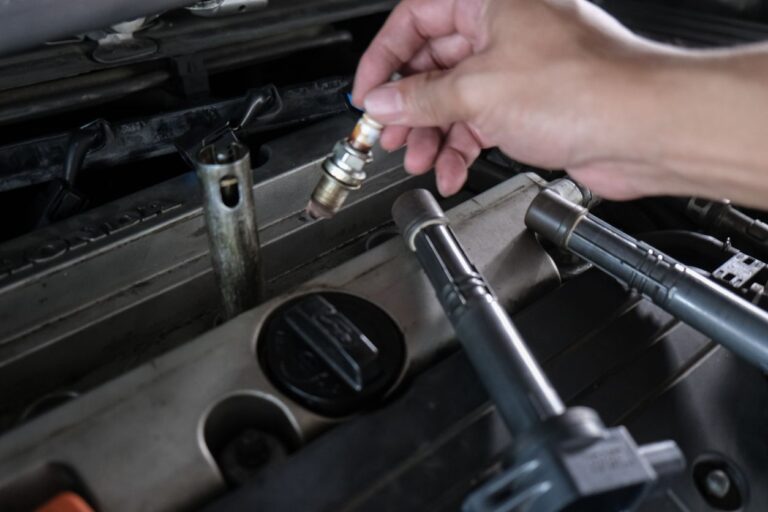
Spark plugs wear out. It’s normal. But when they get too worn, they can’t ignite the air-fuel mixture properly.
I had a regular from East Peoria come in with a nasty shake at idle. He was convinced it was something “serious.” Turned out his spark plugs were original… at 120,000 miles 😬. New plugs, smooth idle, problem solved.
Fix: Replace spark plugs (and wires if equipped)
Good to know: Cheap fix if caught early
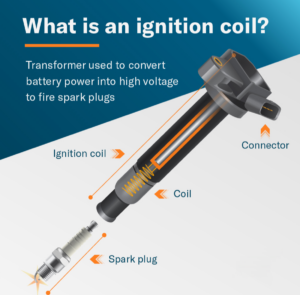
Modern vehicles usually have one ignition coil per cylinder. When one coil fails, that cylinder stops firing correctly.
A misfire from a bad coil often feels worse under acceleration. I see this a lot when someone says, “It runs fine until I step on it.”
Fix: Replace the faulty coil
Mechanic tip: Don’t guess—diagnose. Replacing the wrong coil wastes money.
Fuel injectors can clog, stick, or fail electronically. When that happens, the cylinder doesn’t get enough fuel.
I remember a case in Pekin where the customer had already replaced plugs and coils themselves. Still misfiring. We tested the injectors and found one barely spraying at all.
Fix options:
Vacuum leaks are sneaky. Cracked hoses, loose fittings, or intake leaks can let unmetered air into the engine.
These often cause random or intermittent misfires, especially at idle.
One cold Illinois winter morning, I had a car come in running rough only when cold. Turned out a brittle vacuum hose had cracked overnight. Five-minute fix—but only if you know where to look.
Fix: Locate and repair the leak
Why pros matter: Vacuum leaks are easy to miss without experience
The MAF sensor tells your engine how much air is coming in. If it’s dirty or failing, the engine can’t adjust fuel correctly.
I’ve seen plenty of well-meaning DIY cleanings go wrong here. Using the wrong cleaner or touching the sensor can ruin it.
Fix:
This is the one nobody wants to hear about—but it’s less common than people think.
Burnt valves, worn piston rings, or head gasket issues can all cause misfires. These usually come with other symptoms like oil consumption or coolant loss.
Fix: Depends on the root cause
Truth: Early diagnosis can save thousands
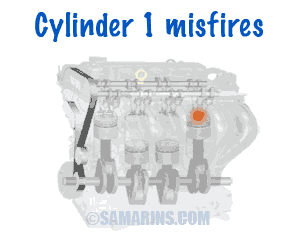
Most misfires trigger diagnostic trouble codes like P0300–P0308. These tell us which cylinder is misfiring—but not why.
That’s why a proper diagnosis matters. A code reader points us in the right direction, but experience finishes the job.
Short answer: sometimes.
Smart answer: you shouldn’t for long.
Driving with a misfire can:
If your car is shaking badly or the light is flashing, don’t risk it. That’s usually when people start searching for repair shops, and honestly—that’s the right move.
At Kingdom Autocare, we don’t guess. We test.
Our process usually includes:
✔️ Scan tool data
✔️ Cylinder balance testing
✔️ Ignition and fuel system checks
✔️ Vacuum and compression testing (if needed)
That’s how we fix the problem the first time.
A little maintenance goes a long way:
I’ve seen cars hit 200,000+ miles with zero major engine issues just because the owner stayed on top of maintenance.
Engine misfires can be simple—or they can get expensive if ignored. The key is catching them early and having someone you trust take a real look.
If your car is shaking, hesitating, or throwing a check engine light, don’t wait.
If you’re searching for engine misfire repair near me, we’ve got you covered.
At Kingdom Autocare, we proudly serve drivers in Peoria, East Peoria, and Pekin, IL with honest diagnostics, clear communication, and repairs done right the first time.
📞 Call us today or 📅 book your appointment online—let’s get your car running smooth again.