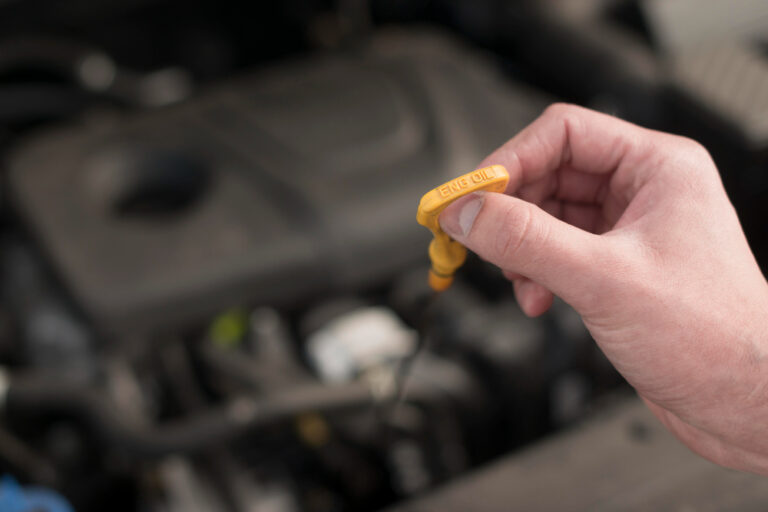
Hey, I’m Steve. One of the most common things I hear in the shop sounds harmless at first:
“It runs fine… it just needs oil every now and then.”
I get why people brush it off. The car still starts, still drives, still gets you where you’re going. But after years of wrenching on engines, I can tell you this with confidence: excessive oil consumption is never something to ignore.
In this article, I’ll break down the real high oil consumption causes I see every week, explain what’s actually happening inside your engine, and share a few real stories from drivers in Peoria, East Peoria, and Pekin, Illinois who caught the problem early—or didn’t.
Let’s clear this up right away.
Yes—some oil use can be normal, especially in:
But if you’re:
That’s not “normal.” That’s a problem developing.
I had a customer in Peoria who added a quart every month and figured that was cheaper than fixing anything. Six months later, the engine started knocking. At that point, oil wasn’t the only thing it needed.
This is one of the most serious—and most expensive—causes.
Piston rings are designed to:
When they wear out, oil slips past and gets burned during combustion.
In East Peoria, a customer noticed blue smoke only when accelerating onto the highway. That’s classic piston ring wear. The engine ran fine—for now—but oil was disappearing fast.
This kind of issue doesn’t fix itself. It slowly eats away at engine life.
This one sneaks up on people.
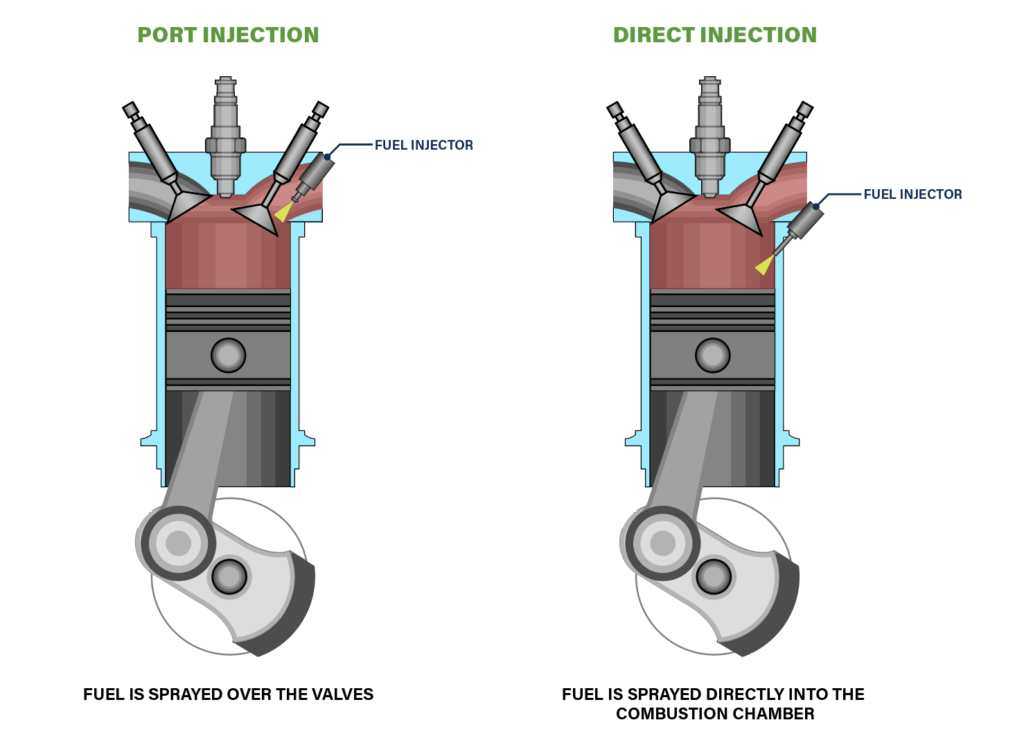
Valve seals keep oil from dripping into the combustion chamber when the engine is running. Over time, heat and age harden them.
In Pekin, I worked on a sedan that smoked only in the morning. Owner thought it was “condensation.” It wasn’t. Worn valve seals were letting oil drip overnight and burn off at startup.
This is one of the most overlooked high oil consumption causes—and one of the cheapest to fix.
The Positive Crankcase Ventilation (PCV) system:
When it clogs:
I’ve lost count of how many Peoria-area vehicles came in burning oil simply because of a $20 PCV valve.
Not all oil loss hits the driveway.
Sometimes oil:
A driver in East Peoria swore their car wasn’t leaking—until we lifted it and saw oil coating the exhaust shield. No puddles. Plenty of oil loss.
This one surprises people.
Using oil that’s:
…can increase consumption, especially in older engines.
Old oil:
I’ve seen engines in Pekin start consuming oil simply because oil changes were stretched too far apart. Once wear starts, it accelerates fast.
Don’t wait for engine noise to tell you something’s wrong.
Once you hear knocking, damage is already happening.
❌ “Older cars always burn oil”
✔️ Age doesn’t destroy engines—neglect does
❌ “Adding oil fixes the problem”
✔️ It only masks it
❌ “If it runs fine, it’s fine”
✔️ Engines can run while slowly destroying themselves
I’ve had too many conversations that start with “I wish I came in sooner.”
You can’t prevent everything—but you can prevent most things.
Oil is cheap. Engines are not.
Here’s my rule of thumb:
👉 If you’re adding oil between every oil change, it’s time for a diagnosis.
A proper inspection costs far less than:
Catching oil consumption early is the difference between maintenance and major repair.
I’ve seen engines last 300,000 miles—and I’ve seen engines fail at 120,000. The difference is almost always maintenance and attention.
Understanding high oil consumption causes gives you control. Ignoring them gives the engine control over your wallet.
If your car is burning oil, leaking oil, or just doesn’t feel right, come see us at Kingdom Autocare.
✔️ Honest diagnostics
✔️ Experienced local mechanics
✔️ No-pressure recommendations
📍 Proudly serving Peoria, East Peoria, and Pekin, IL
📞 Book your appointment today and protect your engine before small oil problems turn into big repair bills 🚗💨